

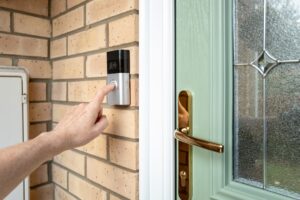
 Smart-home technology is popular, from video doorbells to app-controlled thermostats. Modern renters increasingly expect rentals to offer the same tech upgrades. However, despite the convenience these devices promise, they also introduce smart home rental risks that property owners might not have imagined. Lacking clear smart device policies, smart tech can create maintenance issues and liability concerns, along with various other challenges. Understanding the risks can help you protect your properties while still providing the technology that modern tenants need.
Why Tenants Love Smart-Home Devices
Today’s smart home devices provide comfort and a sense of control to homeowners and renters alike. From adjusting thermostats to remotely monitoring front door guests, overseeing deliveries, or automating lighting, these are all amenities that modern renters are eager to embrace.
The most common smart home tech that renters want in their homes includes:
- Smart thermostats
- Video doorbells and security cameras
- Smart locks and lighting systems
- Voice assistants and automation hubs
What appears to be the problem? While many of these devices are marketed as “plug-and-play,” installation sometimes involves wiring, drilling, or system integration, which may bring permanent changes to the property. Because of the cost-effectiveness and ease of use of smart home devices, renters may even install them without permission or without considering the long-term implications for their safety or the property. This may place rental property owners in a difficult situation.
Hidden Maintenance Risks of Smart Home Tech
One of the primary risks associated with smart home tech in a rental property is improper installation. During installation, tenants might modify electrical systems, heating and cooling connections, or door structures, with or without professional guidance. Ultimately, these modifications can damage systems, lead to electrical problems, or create code compliance concerns. These are problems that often surface long after the renter moves out, shifting the responsibility for resolution onto future occupants and the property owner.
An essential factor to consider is the way technology evolves quickly. Technologies that seem cutting-edge today may become obsolete or lack support in just a few years. Rental properties with mismatched or outdated smart systems might require expensive upgrades or removals, diminishing long-term value and interrupting steady income. This circumstance can present considerable difficulties for a rental property owner.
Liability and Privacy Concerns Tied to Smart Devices
In addition to the property itself, it’s important to comprehend that smart home devices can present unique liability questions. For instance, what are the consequences if a tenant-installed camera records video of shared spaces or adjacent properties? Who holds the information? If smart devices malfunction or are abandoned, how will that impact the property’s current occupants? If potential renters sense a risk to their confidentiality, rental property owners might face considerable legal or privacy issues. These are all crucial factors to consider before allowing renters to install smart home devices in your rental property.
Why Clear Landlord Smart Device Policies Matter
To mitigate any potential downsides of smart home tech, rental property owners might consider implementing thorough smart device policies for their lease documents. Effective technological approaches can help protect both you and your renters. Comprehensive guidelines may include elements such as:
- A compilation of authorized and forbidden devices
- Prerequisites for setup and dismantling
- Obligation of the tenant for harm or alterations to the system
- Records and evaluation processes
By establishing clear expectations around smart home tech, you can reduce conflicts and maintenance issues, while also protecting your renters’ privacy and safety.
Smart Tech Policies Make Smarter Rentals
Smart-home devices aren’t going away, yet improper tech installation creates unnecessary hazards. By determining the smart home rental risks and implementing careful landlord smart device policies, it is feasible to harmonize innovation and tenant satisfaction with long-term property protection.
If you’re uncertain about how to handle tenant-installed smart devices or need assistance in creating smart device policies, reach out to your local experts at Real Property Management Eagle now. Our team can help you protect your investment in Garner while keeping your rental competitive in a tech-driven market. Contact us online or call us at 919-505-1776.
This content is provided for general informational and educational purposes only and does not constitute financial, legal, tax, or investment advice. Readers should consult with licensed professionals regarding their specific circumstances.
We are pledged to the letter and spirit of U.S. policy for the achievement of equal housing opportunity throughout the Nation. See Equal Housing Opportunity Statement for more information.
